Cultural Pattern Generator in Character Creator

A character-creator with an integrated AI-powered pattern generator to create Indonesian batik patterns.

Project Context

Master's Project
Dec - Jan 2026
Keio Media Design

My Role

UI/UX Design
Wireframing
Illustration
Programming

Deliverables

User Interface
Interactive Prototype

Tools Used

Adobe Illustrator
Clip Studio Paint
Godot
Python

Background

Around the end of my first semester, I was inspired by a game I was playing: Monster Hunter Wilds. There, I was able to give my character clothing and a weapon that resembled traditional Indonesian wear and daggers. I was happy that I could do that in a game, and so I wanted to explore cultural representation in video game characters, particularly in clothing. Just like this game, there are many others out there that set their stories and characters in places inspired by real-life countries and cultures, and their character designs reflect that as well. Be it Medieval Europe, Feudal Japan, Ancient Greece, Egypt, Aztec, and many others.

What about in a game where you can create your own character, and where the setting is not explicitly set in any one culture? In the Sims games, you can dress up your character in any traditional attire that the developers create for the players. When what the devs made is not encompassing yet, the community went forward and make mods for the game to allow for more outfits from underrepresented cultures. This cultural representation is important because it makes one feel seen, identify with the character more, and enjoy the game further.
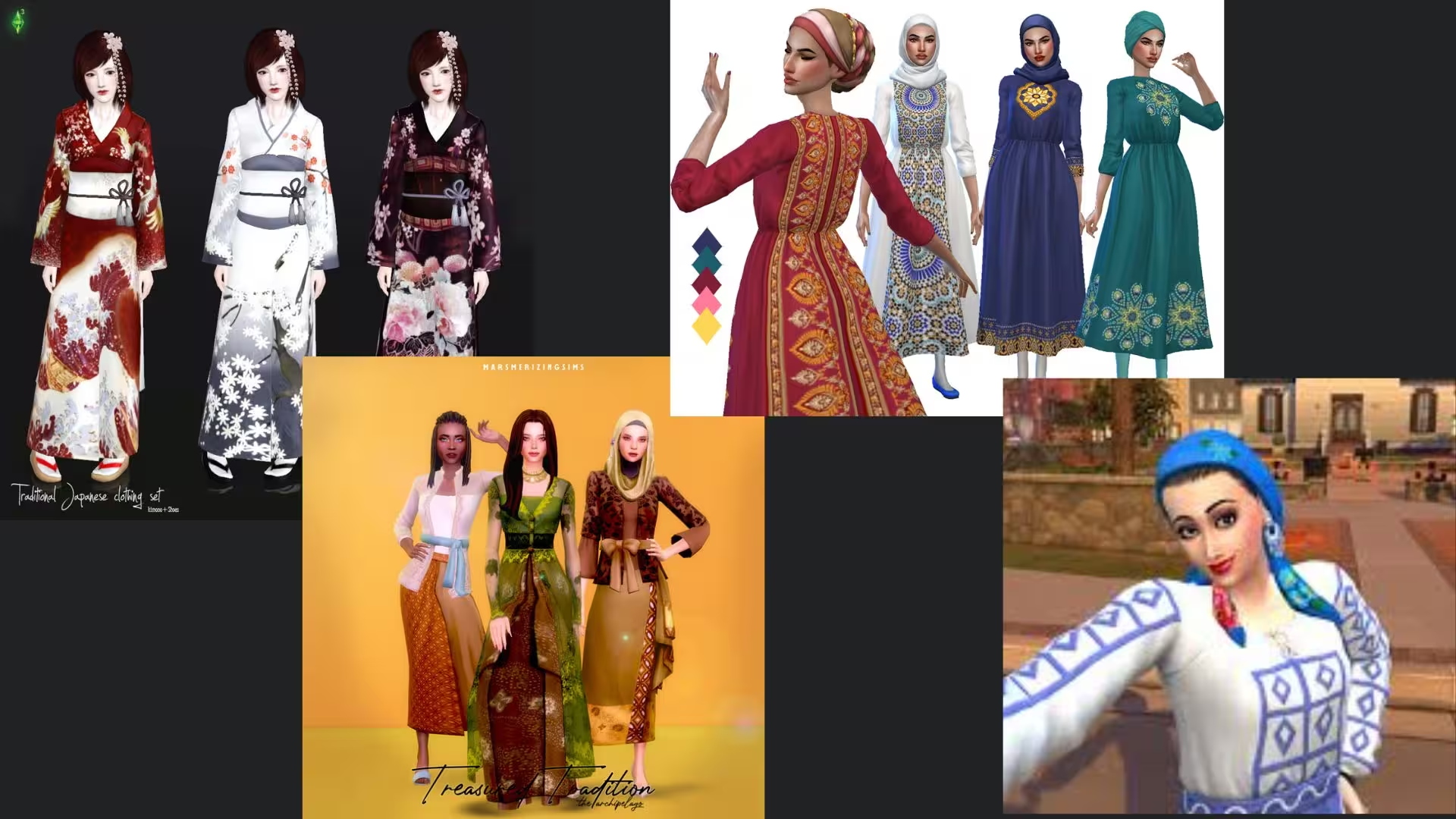
Yet, games like The Sims cannot represent everyone truly, even with the help of the community, because of how many cultures there are available in the real world. At the same time, there can only be so many clothing options that game designers can create to represent a wide range of cultures before becoming unfeasible in terms of time and cost.

Ideation

With how much AI was proliferating at the time, and a push from my lab to explore this emerging technology, I wondered if it could offer a solution to the cultural representation problem I bring up. As an exploratory project, I limited the project's scope to 2D, focusing only on clothing patterns (for the AI part), and to try only Indonesian batik first. I avoided doing other cultural clothing at the time because I would not know if what the AI generated was faithful or not, compared to what I already know as an Indonesian with batik.

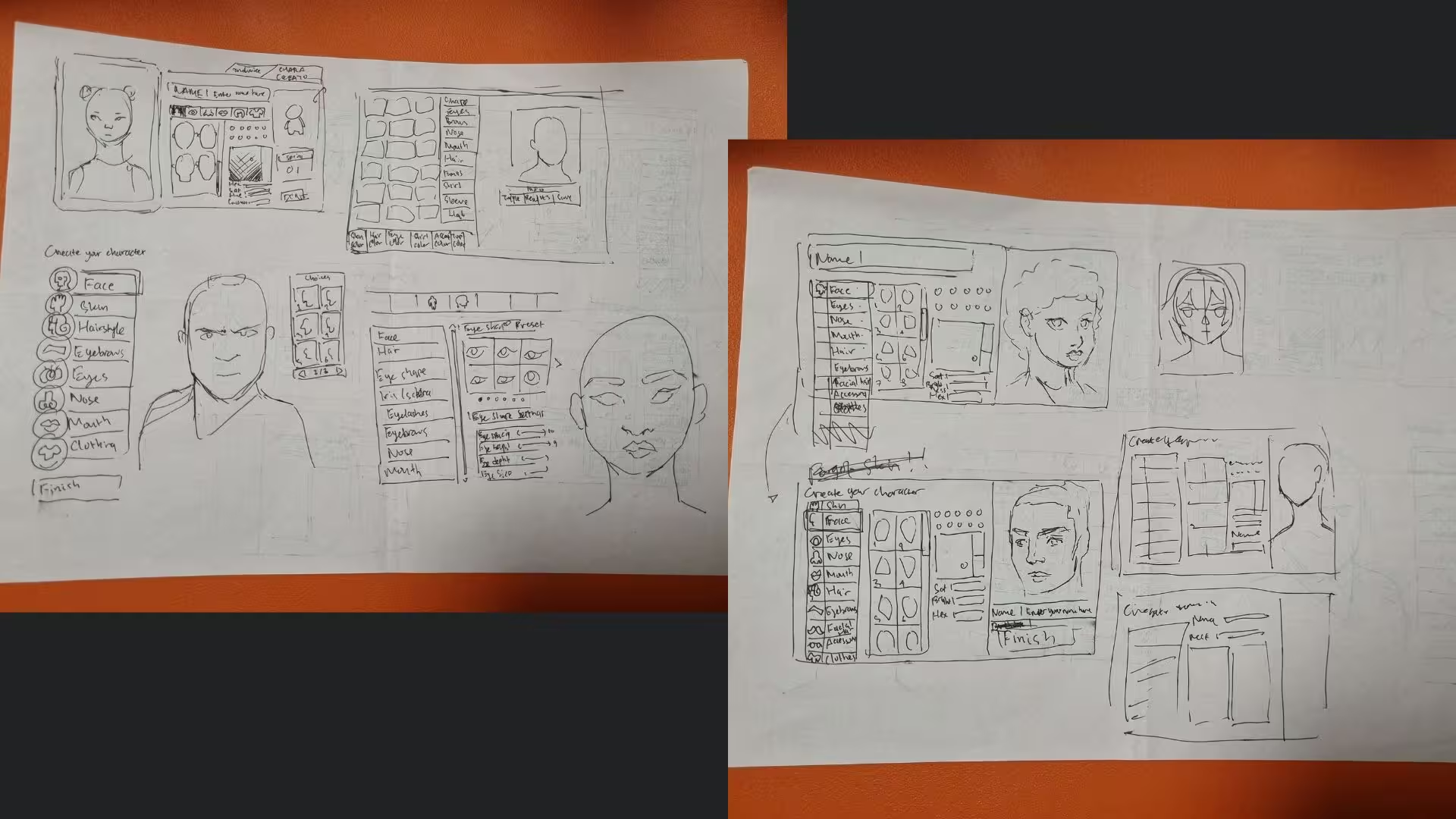
I started by creating wireframe sketches inspired by character creators from existing games. I am quite particularly intrigued by Monster Hunter World and Street Fighter 6's user interface. I was also fascinated by Stephanie Poetri's game and learned a lot from her devlog video.
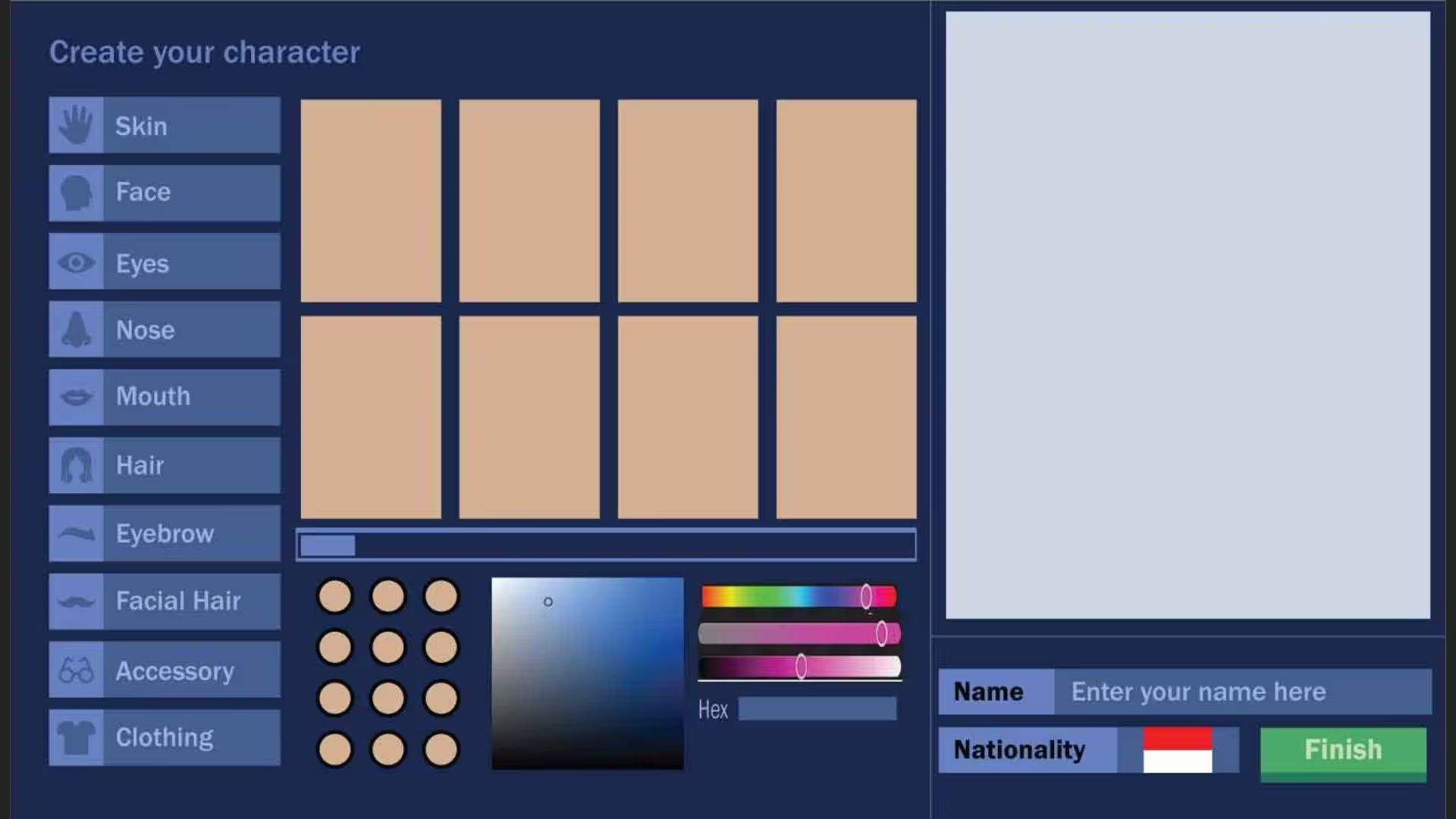
I then translated the sketch in Adobe Illustrator, creating a mockup there. I initially had an "accessory" tab, but chose to forego it and replace it with a "patterns" tab on the final version.

Implementation

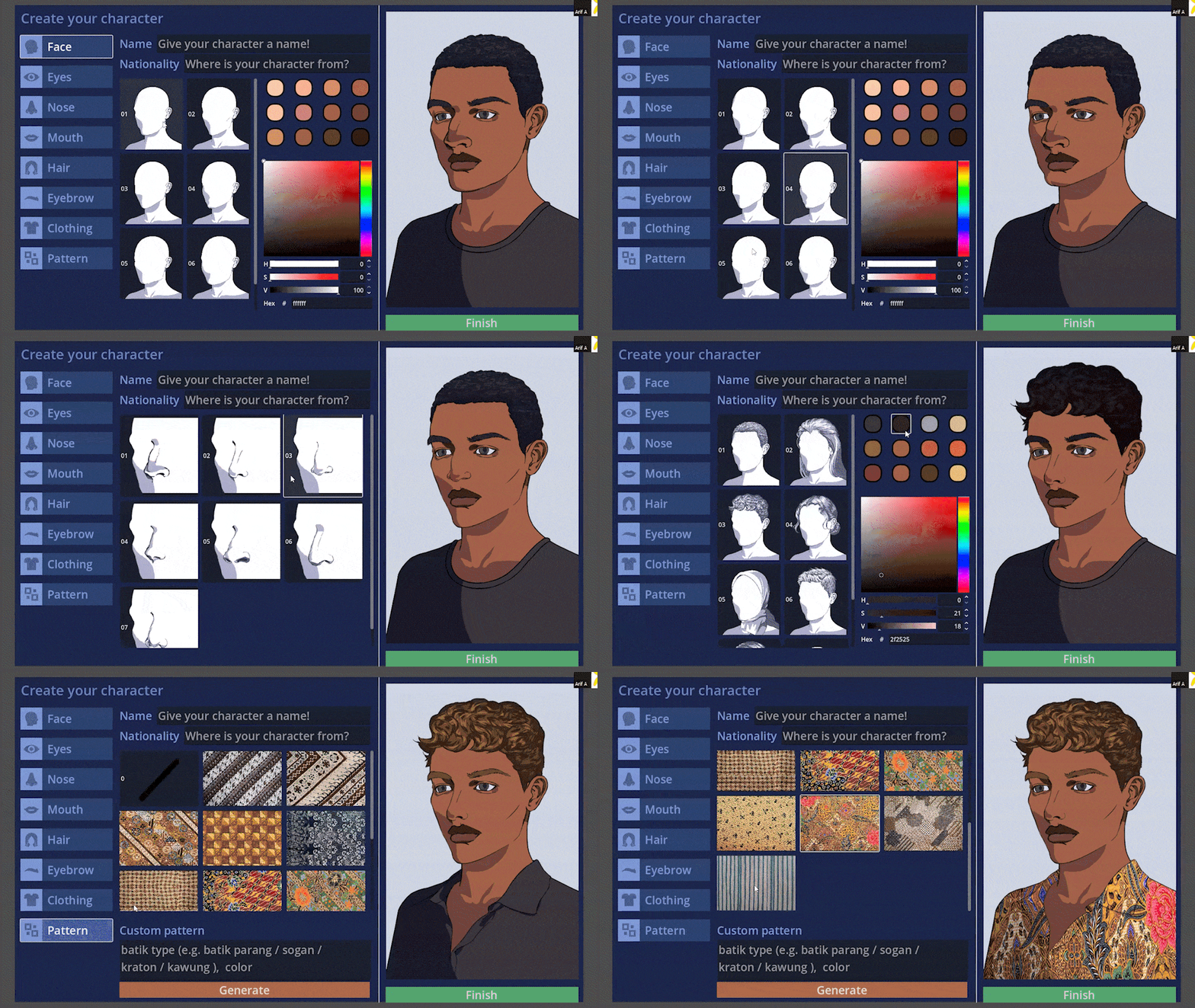
The mockup UI was then translated into an interactive prototype using Godot, a game engine I find suitable for 2D projects like this.
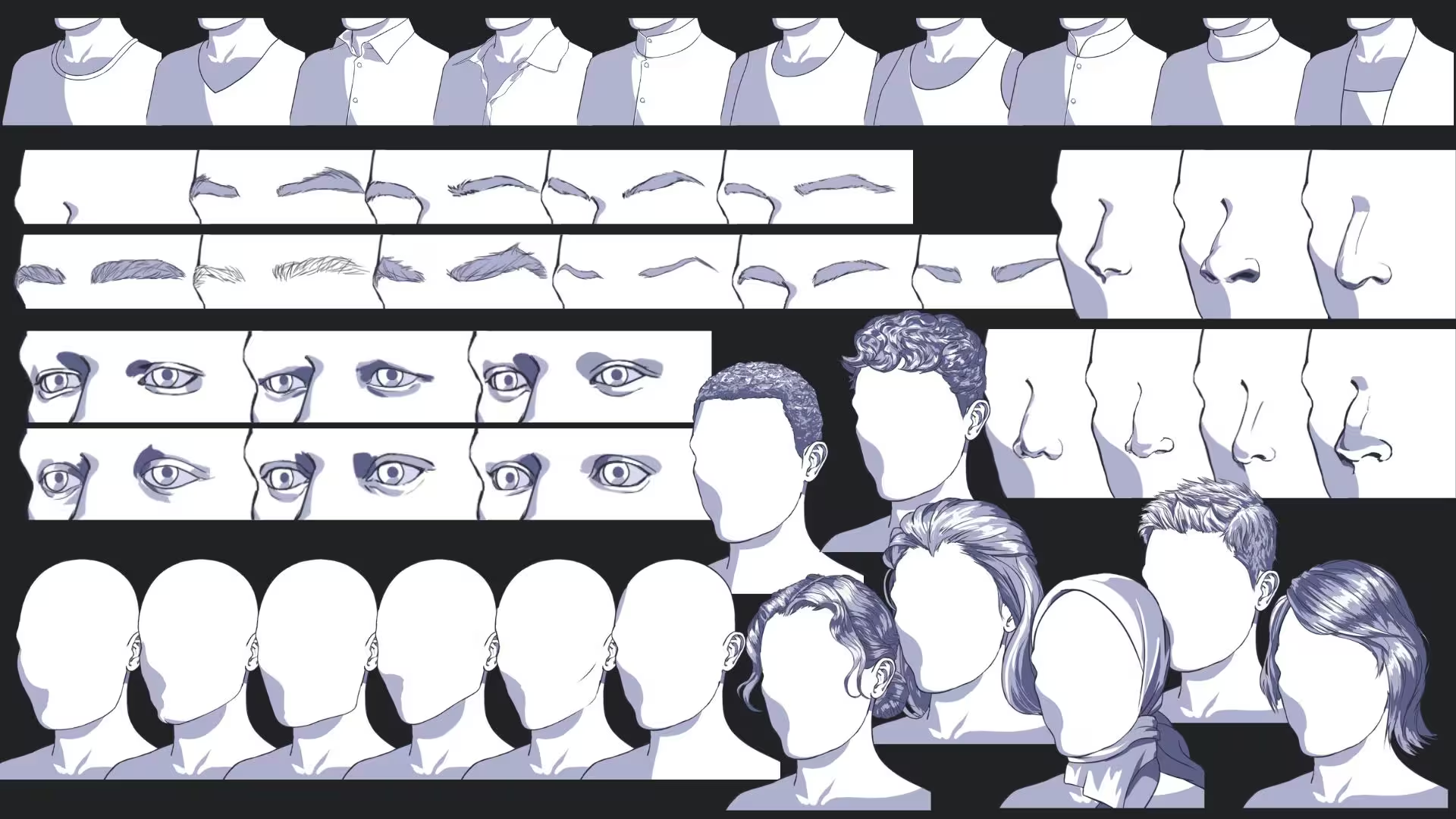
I drew 52 character assets in Clip Studio Paint, turning them into PNGs and inserting them into my game. Many of them had to be revised due to visual errors and mismatches with other assets.
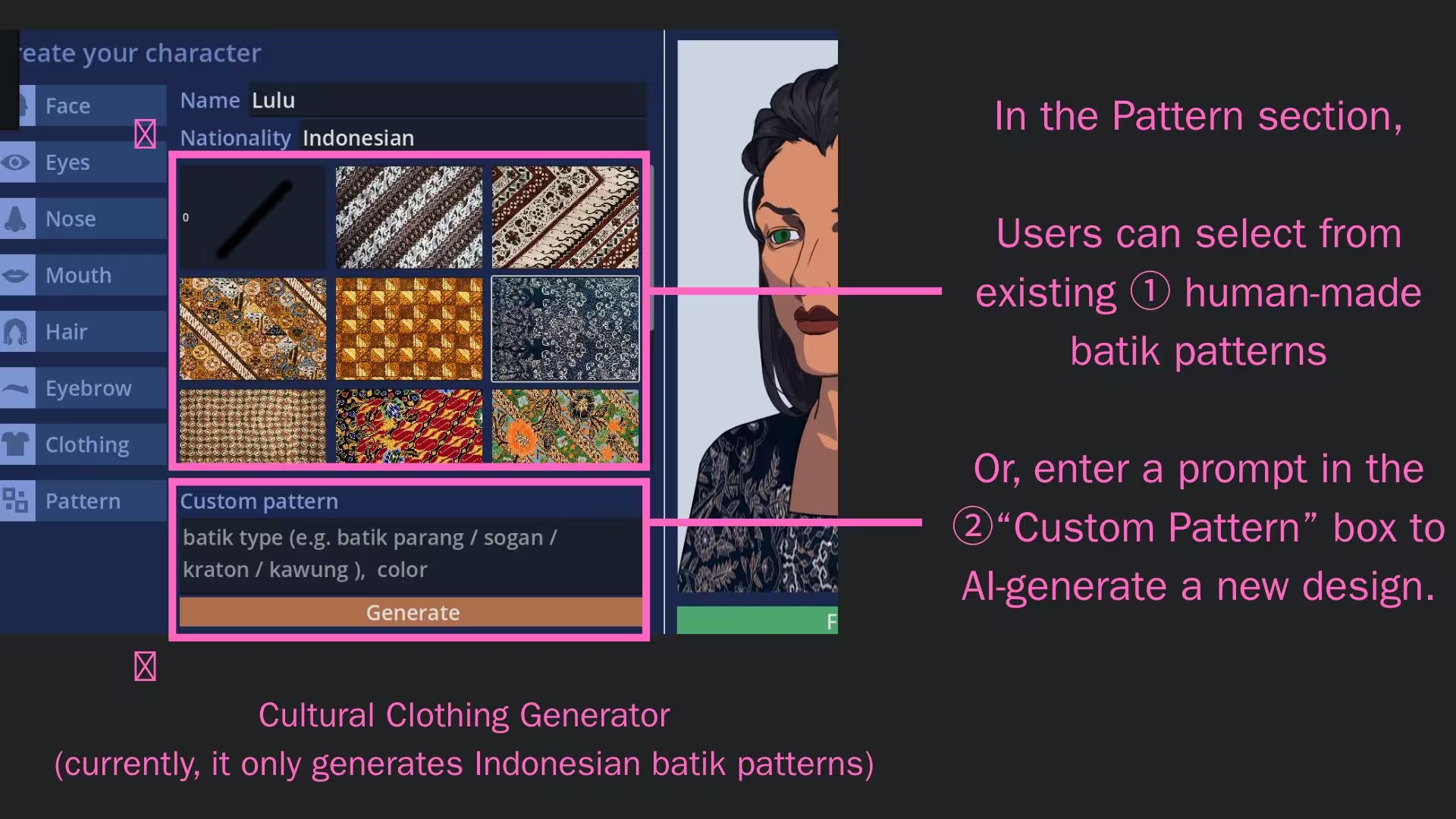
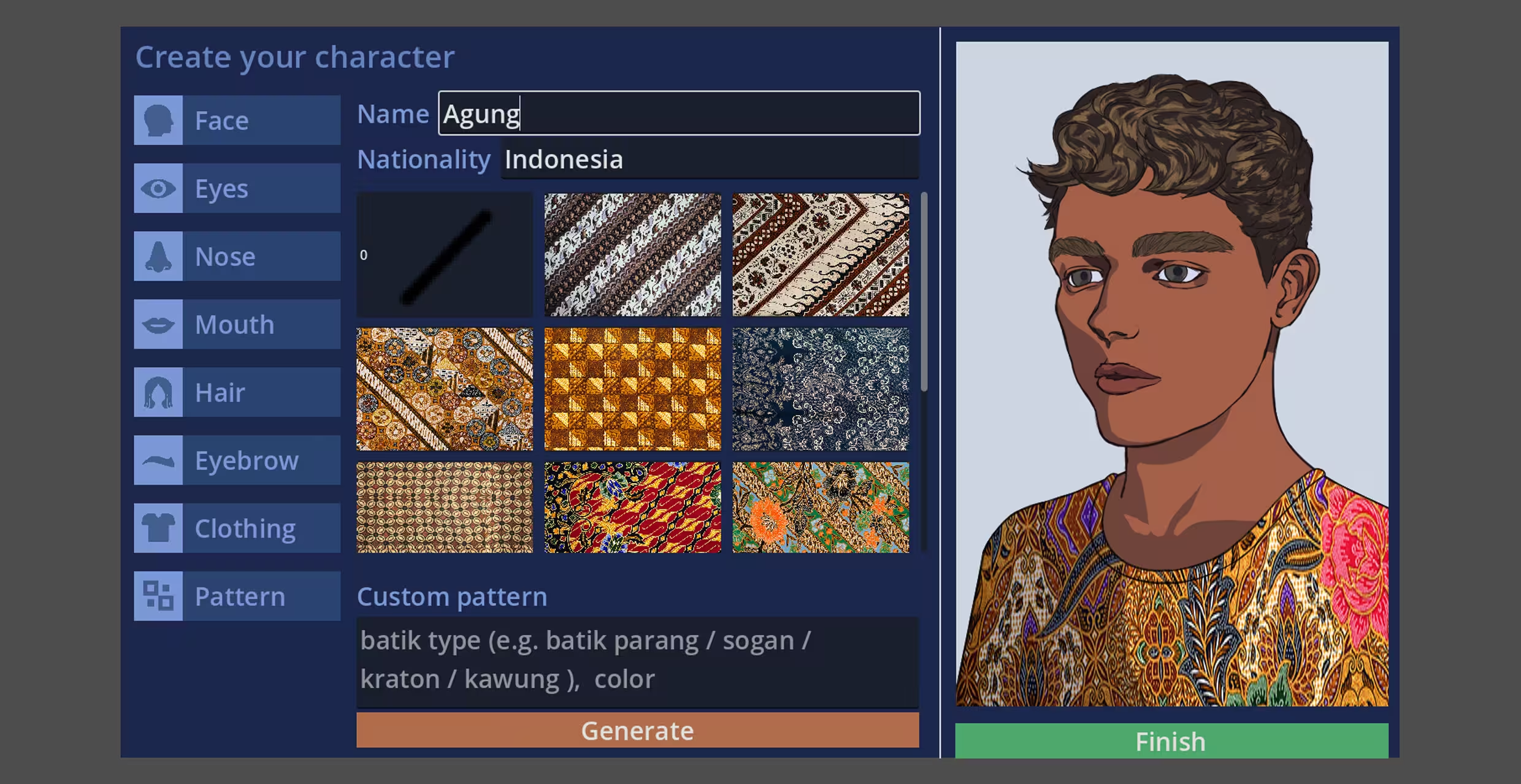
In the pattern section, I provided some batik patterns from various regions. At the bottom is where users can type in the type of batik they want to generate, much like how you can prompt on ChatGPT. Beneath this prompt column is the Godot engine connecting to Python code, using an API from Google's Gemini Imagen 4.0. However, I was only using the free version, and so I had limited tokens to be able to constantly generate batik patterns.

Preliminary Workshop

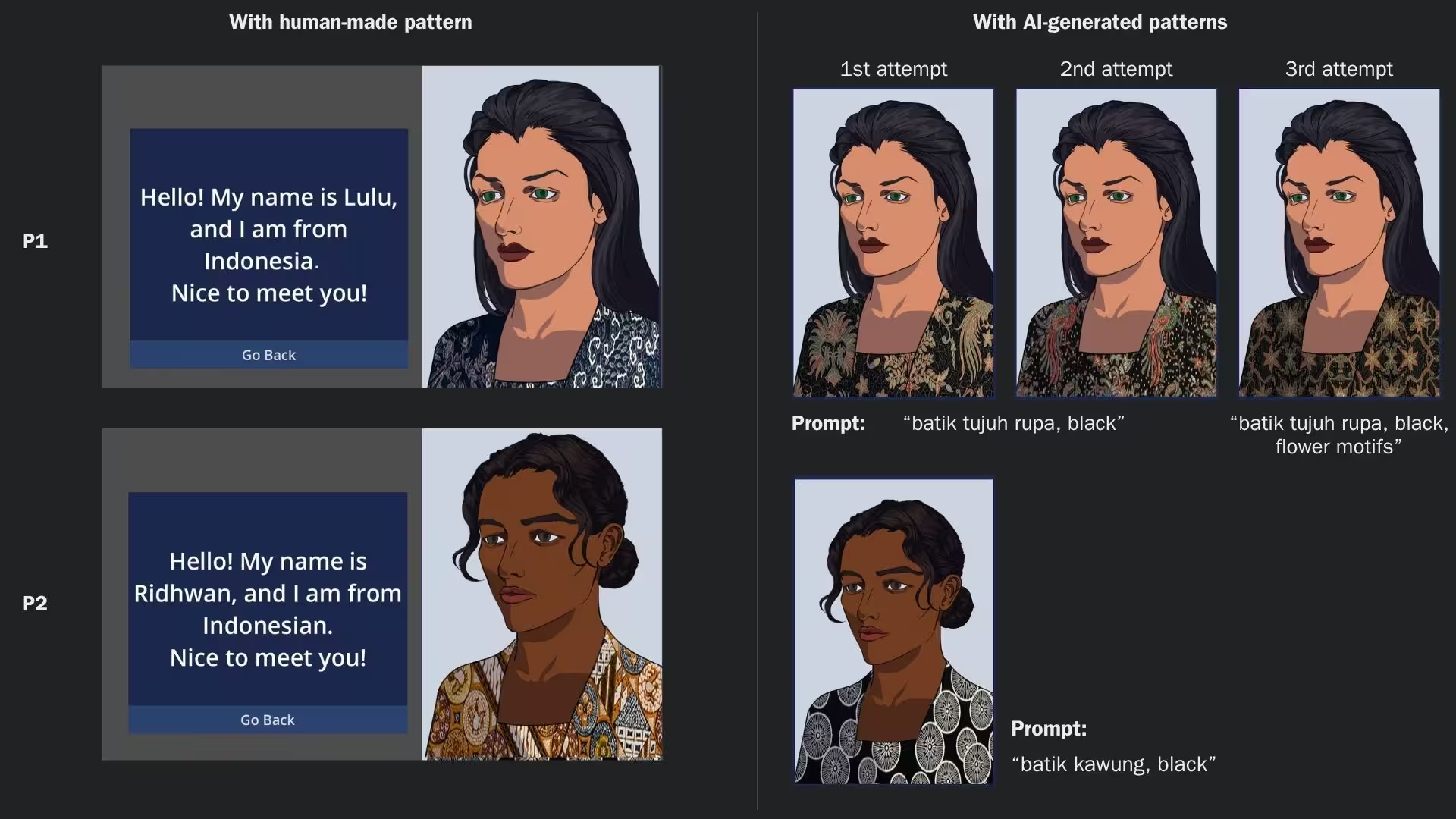
I conducted a small workshop with two participants to have them make their own characters and their own patterns. Through this workshop, I want to find the answers to the question: do players feel culturally represented by their characters when the characters’ cultural clothing is generated by AI? And another: are there any cultural biases or tendencies toward stereotyping in AI-generated cultural assets?

Outcome

The two participants in my workshop made their characters with differing reasons. One aimed to create a character that would embody the image of an "Indonesian," and the other simply made herself. Both have tried the batik generator but have a negative perception towards it. The first participant was dissatisfied that AI could not accurately create the batik that she wants, even after multiple attempts. The second participant is not as knowledgeable about batik, yet recognizes that the generated pattern was not at all accurate to batik. The learnings from this project were what got me to make the Digital Batik project and focus on Indonesian culture.